Journal · Aromatherapy
Essential oils for sleep: 5 ways to use them well
By Giang Tara · Updated Nov 2026
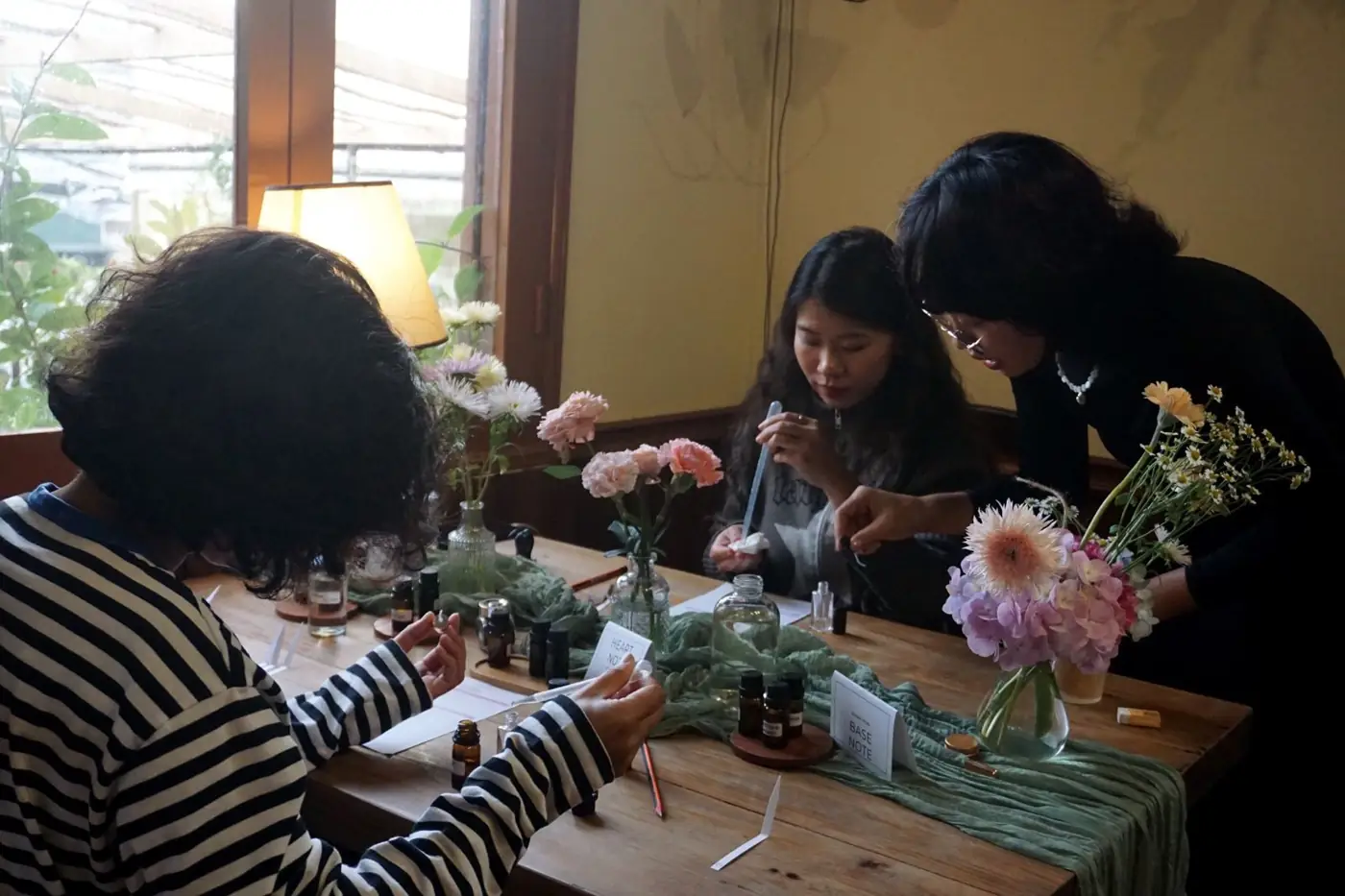
Many students come to me with the same question: "Is there an oil that will help me sleep?". The honest answer is that essential oils aren't sleeping pills. But used regularly as part of an evening ritual, scent can become a gentle signal that tells the body it's time to rest.
Oils often chosen for the evening
- Lavender: the most familiar choice. Some small studies suggest its scent may help many people feel more relaxed before sleep.
- Bergamot: fresh yet calm, for people who don't like floral scents. Don't apply it to skin that will be in the sun.
- Cedarwood: warm and grounding.
- Roman chamomile: softly sweet and gentle.
Five ways to use them well
- Diffuse for about 30 minutes before bed, then switch off when you lie down. There's no need to run it all night.
- One drop on a cloth beside your pillow, rather than on the pillowcase where your face rests.
- A gentle foot or wrist massage with a blend diluted to about 1%.
- A warm bath: mix a few drops with a spoonful of carrier oil or body wash before adding to the water, as oils don't dissolve in water.
- Use the same scent every night so it becomes an anchor for sleep.
A 10-minute evening ritual
Turn off the main lights and keep one warm lamp on. Diffuse your chosen oil. Sit or lie down, place a hand on your belly and do 4–6 breathing for 5 minutes. Then lie down and listen to a short Yoga Nidra.
When to see a doctor
If you sleep poorly several nights a week for weeks at a time, snore loudly with pauses in breathing, or tiredness affects your work, please see a doctor. Scent is a support, not a replacement for treatment.
What does the science say?
Lavender (Lavandula angustifolia) is the most studied essential oil for sleep. Several research reviews suggest that inhaling lavender may modestly improve sleep quality, especially for people whose sleep is disturbed by stress. Results vary between studies, so treat essential oils as one part of an evening ritual, alongside regular bedtimes, less screen time and a dark, cool room.
Choosing a quality oil
- A clear Latin name on the label, such as Lavandula angustifolia, not just "lavender";
- Dark glass bottle with a dropper cap, stored somewhere cool and out of the sun;
- Origin and production date, ideally with a composition report (GC/MS);
- Avoid products labelled "fragrance oil": these are usually synthetic and not for aromatherapy.
Three easy blends
Bedroom diffuser: 2 drops lavender and 1 drop sweet orange. Run for 30 minutes before bed and switch off when you get into bed.
1% wrist roll-on: 2 drops lavender in 10 ml carrier oil (jojoba or sweet almond). Roll onto your wrists and take three slow breaths.
2% foot massage oil: 4 drops lavender and 2 drops cedarwood in 15 ml carrier oil. Massage your feet for 3–5 minutes before sleep.
Safety in the bedroom
- Never put undiluted oil on your pillow or skin;
- For young children, older adults, people with asthma or pregnant women, ask a professional first and use less;
- Avoid diffusing peppermint and eucalyptus around children under 6;
- If you have cats, avoid continuous diffusing and always leave a door open so they can leave the room;
- If insomnia lasts more than 3 weeks, see a doctor.
Frequently asked questions
Will it stop working if I use it every night? The nose gets used to scents. Rotate between 2–3 blends, or skip diffusing a few nights a week.
Can I run the diffuser all night? It is better not to. 30–60 minutes and then a break is enough; keep the room ventilated.
Want to learn properly? See the Aromatherapy Foundations course.
Read Yoga Nidra for sleep, or learn to use oils properly in Aromatherapy Foundations.
Read next
 Aromatherapy
Essential oils for beginners: what to choose and how to use them
The first five essential oils to own, how to recognise quality, and three simple, safe ways to use them at home.
 Aromatherapy
How to dilute essential oils safely: rates for every use
Dilution rates for face, body, massage and bath based on Tisserand Institute guidance, choosing a carrier oil and patch testing.
 Aromatherapy
What are chakras? The seven chakras through breath and essential oils
An introduction to the seven chakras of the yoga tradition, their symbolic themes and a practice with breath and essential oils.