Journal · Yoga Nidra & deep relaxation
What Yoga Nidra is, and who it's for
By Giang Tara

Yoga Nidra is often called “yogic sleep”. You lie still, follow a guiding voice and drift into a state between waking and sleeping: the body rests deeply while awareness stays. No cross-legged sitting, no effort to relax. As many of my students say, you simply follow each step and the release comes on its own.
What happens in a session?
- Settling: lie comfortably, a cushion under the knees, a light blanket.
- Sankalpa: a short, honest intention planted when the mind is softest.
- Body rotation: moving attention through the body, part by part.
- Breath and imagery: watching the breath, a few gentle images.
- Return: moving slowly, opening the eyes, carrying the rest into your day.
Who is it for?
People who are often stressed, sleep poorly or can't switch off; those who find sitting meditation hard; anyone recovering from long working days. Yoga Nidra supports wellbeing; it doesn't replace medical care when you need it.
Where Yoga Nidra comes from
"Nidra" means sleep in Sanskrit. Modern Yoga Nidra was systematised by Swami Satyananda Saraswati in India in the 1960s, drawing on older tantric practices. Since then it has been developed by many schools and used in stress-reduction programs in schools, hospitals and workplaces.
The stages of a Yoga Nidra session
- Settling: lying on your back, warmly covered, eyes closed, letting the body grow heavy;
- Sankalpa (intention): a short, positive phrase in the present tense, such as "I am at peace";
- Rotation of awareness: attention moves quickly through the body, following the guidance;
- Breath awareness: counting breaths backwards, sensing the natural rhythm;
- Opposite sensations: heavy and light, warm and cool, to balance the nervous system;
- Imagery: a gentle series of images such as the sea, a forest, candlelight;
- Returning to the intention and coming back slowly.
How is it different from a nap or meditation?
In sleep, awareness switches off. In Yoga Nidra, the body rests as deeply as in sleep while part of you stays aware, listening to the guidance. Unlike seated meditation, you do not need to hold your back upright or try to concentrate. That is why Yoga Nidra suits beginners, people with poor sleep, people who are burnt out and anyone who finds meditation "hard".
What does the research say?
Research on Yoga Nidra is still young and mostly made up of small studies. A 2002 study by Kjaer and colleagues recorded increased dopamine release in the brain during Yoga Nidra. Other studies report lower stress and anxiety and better sleep quality in some groups of practitioners. These are encouraging signs, but Yoga Nidra supports rather than replaces medical care.
Who should take care?
If you are living with severe trauma, a psychiatric condition or are in psychological treatment, talk with your doctor or therapist first. During practice you can always open your eyes, move or stop at any time.
How to begin
- Practise 20–30 minutes, 3–4 times a week, ideally at the same time;
- Choose a quiet place, use a light blanket and a pillow under your knees;
- If you fall asleep, that is fine: the body still rests. Over time you will stay with it longer;
- Learn with a teacher so the guiding voice becomes a familiar anchor.
Giang's Yoga Nidra Foundations course begins on the 5th of every month, and there are online Yoga Nidra sessions at midday and in the evening.
Try a free Yoga Nidra on YouTube, or join the Yoga Nidra Foundations course.
Read next
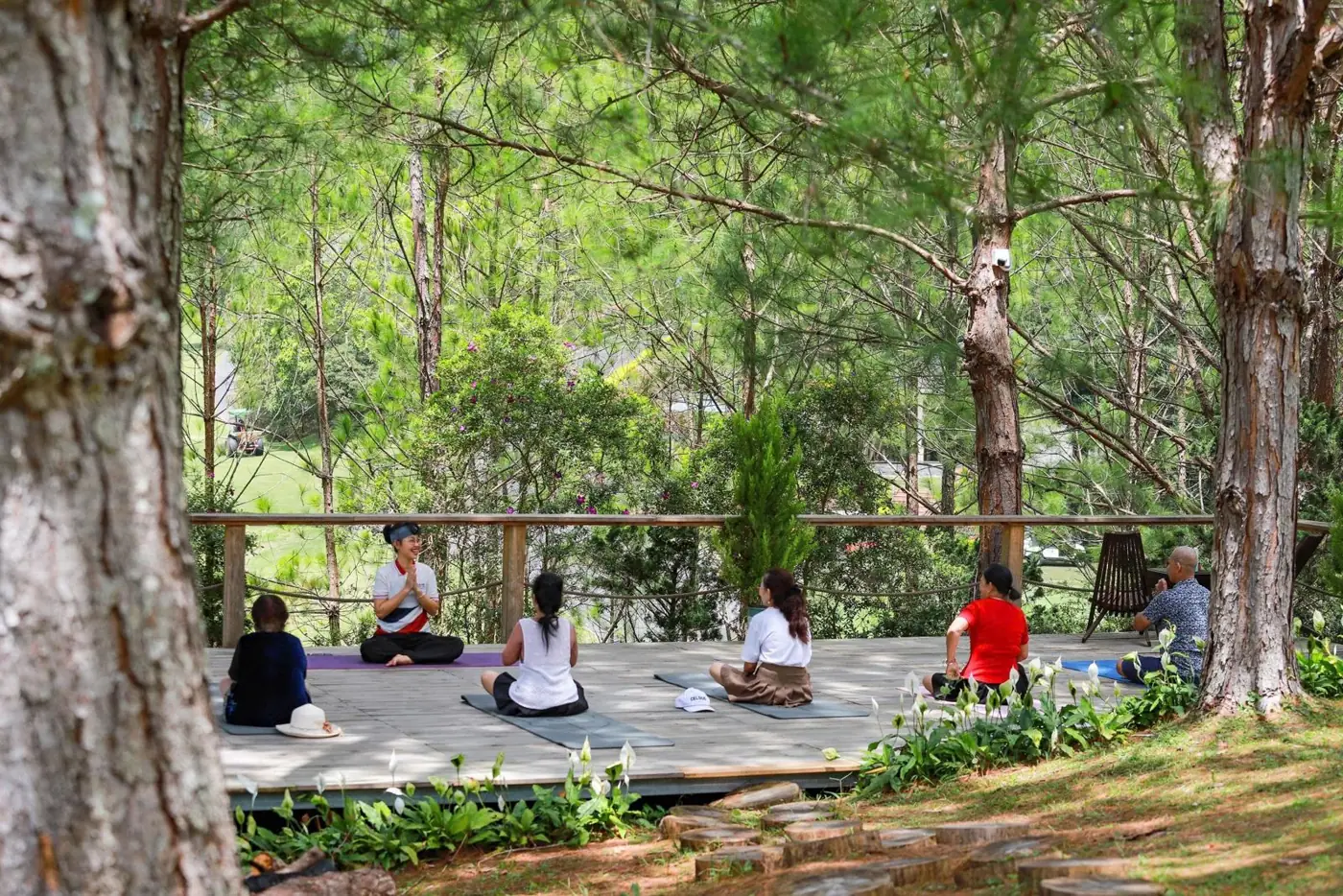 Da Lat
Yoga in Da Lat: a complete guide for beginners and regular practitioners
Why Da Lat is ideal for yoga, where to practise, classes or retreats, notes on altitude and weather, and a sample week of practice.
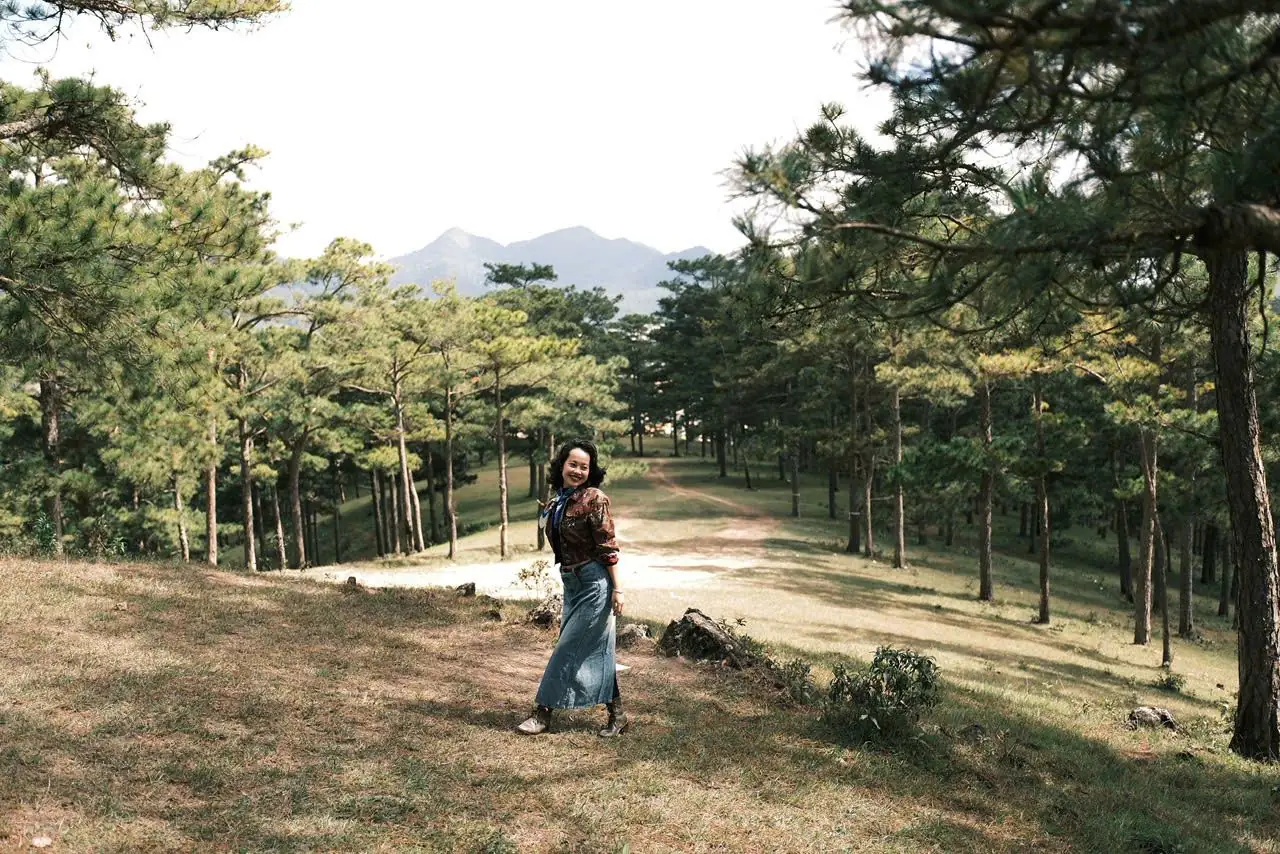 Da Lat
Healing travel in Da Lat: planning a trip that truly rests you
How to plan a healing trip to Da Lat: choosing your pace, where to stay, a sample day and what to avoid.
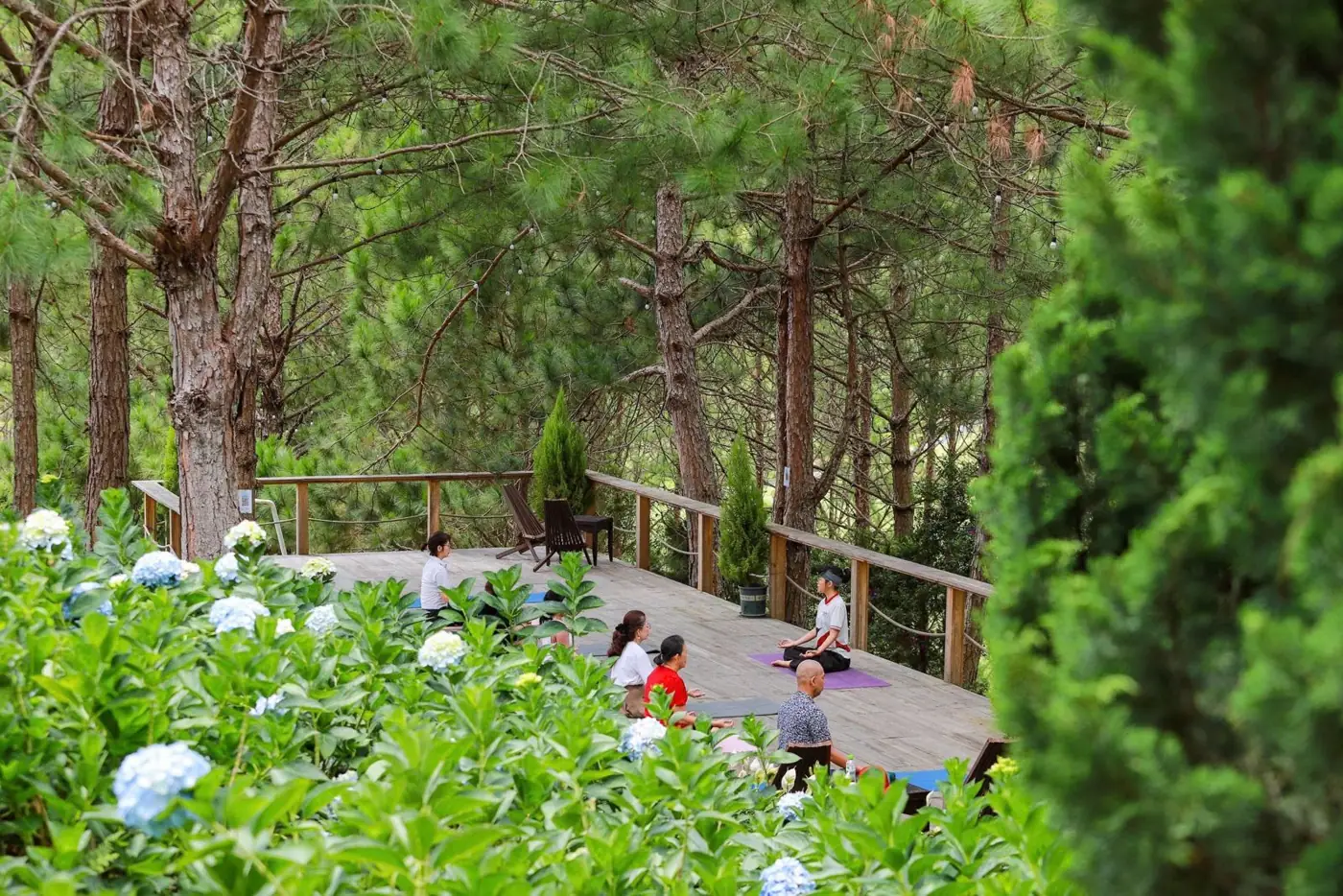 Da Lat
A one-day healing retreat in Da Lat
One day in Da Lat's pine forests: a suggested schedule, choosing the place and preparing for a healing retreat.